What Inspecting Taught Me About Building Better Construction Software

Before building software, I was inspecting it.
Not code—but real construction work.
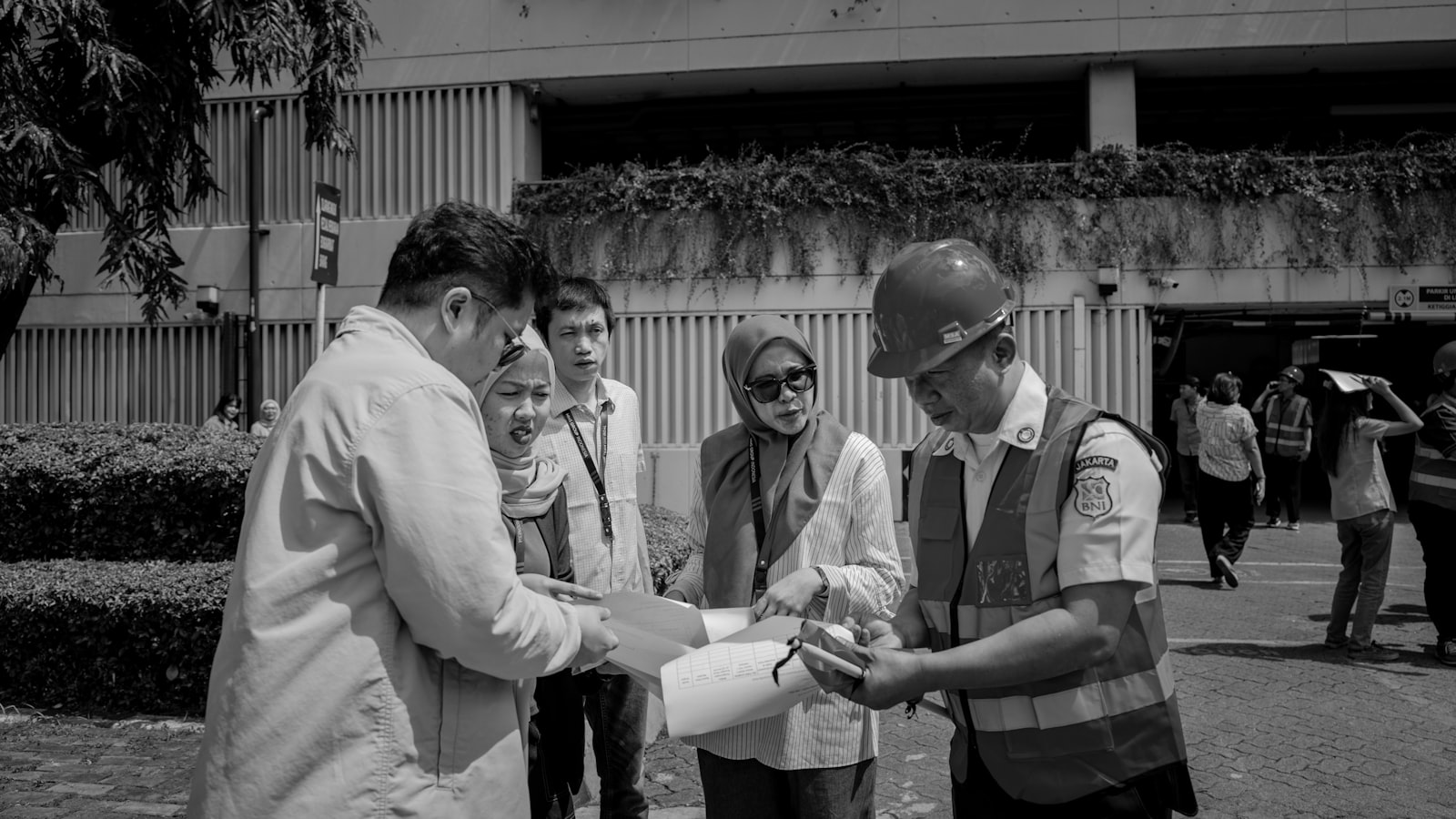
As an Electrical Inspector, I wasn’t just looking at whether something worked.
I was looking at:
- how it was installed
- whether it met code
- what was missed
- what could fail later
And over time, you start to see patterns.
Not just in installations—but in how projects are run.

You See Where Things Break
Inspection gives you a different perspective.
You don’t see the plan.
You see the result.
And more importantly, you see:
- what didn’t get built properly
- what got rushed
- what was misunderstood
- what was never accounted for
These aren’t edge cases.
They’re common.
The Gap Between Plans and Reality
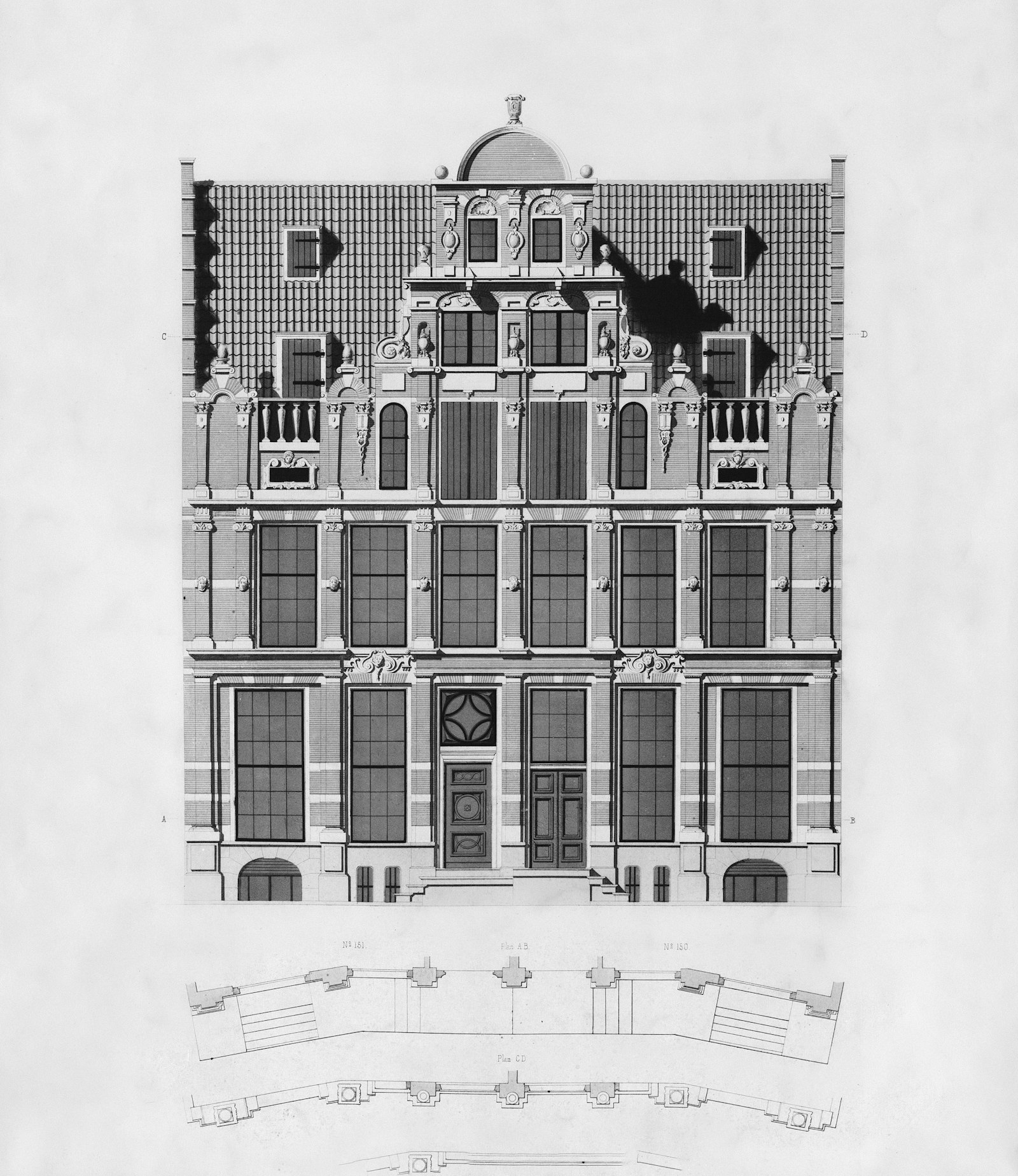
On paper, everything looks clean.
- drawings are structured
- scope is defined
- systems are coordinated
But in the field, it’s different.
- details are missing
- coordination breaks down
- conditions change
- decisions are made on the fly
That gap—between plan and execution—is where most problems happen.
Software Often Ignores This
Most construction software is built around the plan.
Not the reality.
It assumes:
- inputs are complete
- workflows are followed
- data is clean
But that’s not how projects run.
So what happens?
The software looks good—but doesn’t get used the way it was intended.
What Inspection Teaches You
When you inspect enough jobs, you learn:
1. Nothing is ever fully complete
There’s always missing information.
2. Workflows are never linear
Things don’t happen in perfect order.
3. Decisions happen under pressure
Time, cost, and coordination all play a role.
4. Small gaps create big problems
A missing detail early can become a major issue later.
These aren’t exceptions.
They’re the baseline.
How This Changes Software Thinking
When you build software with this perspective, your priorities shift.
You stop asking:
“How should this work in theory?”
And start asking:
“What actually happens when this breaks?”
That leads to different decisions.
Building for Imperfect Inputs
Instead of expecting:
- perfect drawings
- complete scope
You design for:
- missing information
- unclear conditions
- partial data
Because that’s what users are dealing with every day.
Building for Workflows—Not Features
Inspection shows you that work isn’t isolated.
Everything connects:
- takeoffs
- estimates
- installation
- inspection
So instead of building:
separate tools
You think in:
connected workflows
That’s where software starts to match reality.
Building for Review—Not Creation
In the field, experienced people don’t want to start from zero.
They want to:
- review
- adjust
- approve
That’s a big shift.
Software shouldn’t force users to build everything manually.
It should give them something:
- structured
- usable
- ready for review
Where AI Fits Into This
AI makes this possible—but only if it’s designed properly.
If AI is built like a tool:
- it produces outputs
- the user still does the work
But if it’s built around workflows:
- it can run steps
- structure information
- reduce manual effort
That’s where it becomes valuable.
The Same Problems Show Up Everywhere
Whether you’re:
- estimating
- managing a project
- reviewing installations
The same issues come up:
- missing scope
- inconsistent information
- manual rework
Inspection just makes them more visible.
What This Means for the Future
We’re moving toward systems that:
- don’t assume perfect inputs
- don’t rely on rigid workflows
- don’t require constant manual setup
Instead, they:
- adapt
- structure information
- support real-world conditions
That’s where software starts to feel natural.
The Advantage of Field Experience
There’s a difference between:
Building software for construction
and
Building software from construction experience
The second one:
- understands the edge cases
- anticipates the gaps
- designs for reality
That’s what inspection teaches you.
Closing Thought
Inspection isn’t about finding problems.
It’s about understanding how things fail—and why.
That perspective carries over.
Because if you can build systems that hold up under real conditions,
they don’t just look good.
They work.